Animals > Greater rhea

Greater rhea

Rhea americana

AUDIO GUIDE

0:00 0:00
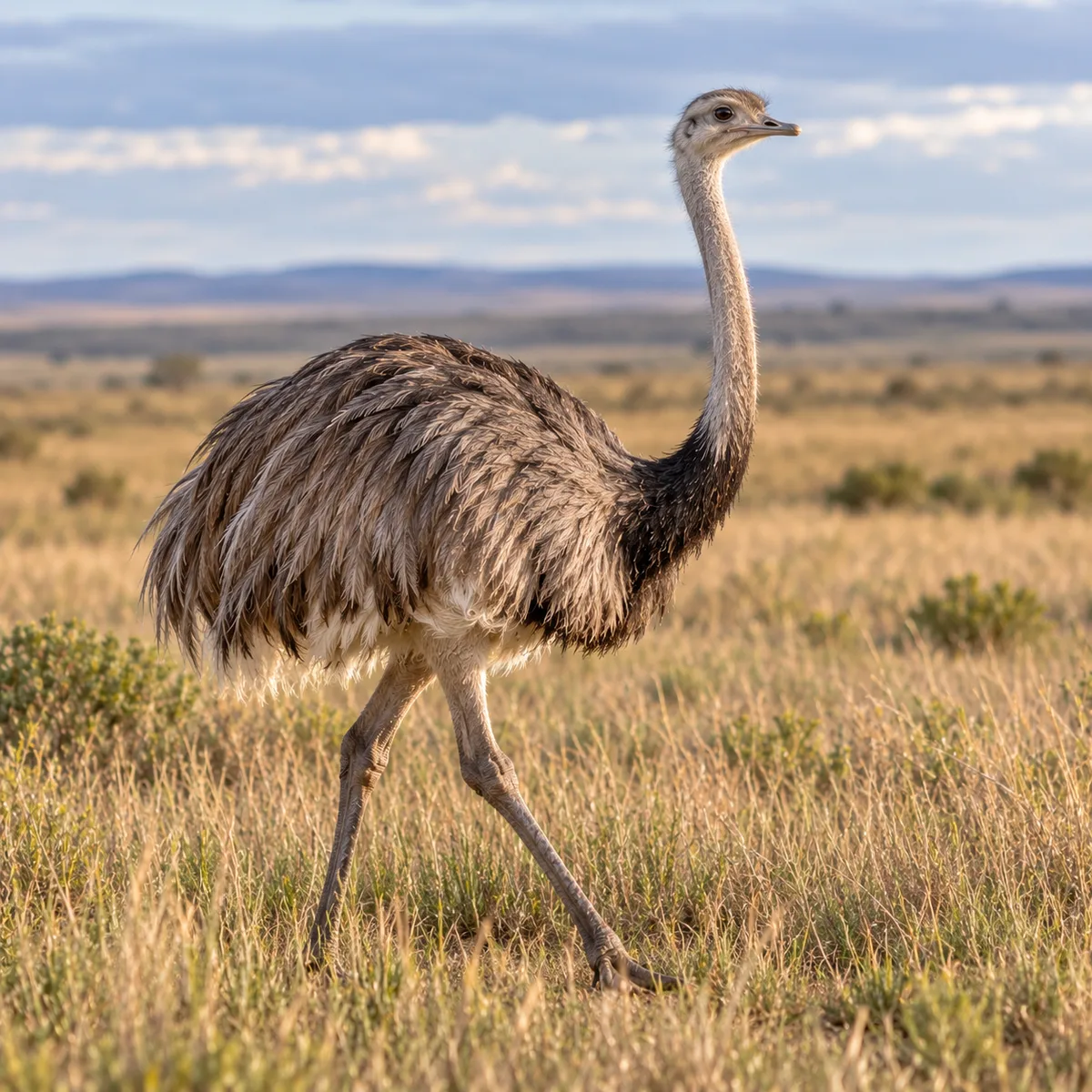
It is the largest bird in the Americas and, like the ostrich, it cannot fly. But the rhea has a trick: when it zigzags to escape, it spreads its wings and uses them as a rudder to change direction in an instant. It lives on the pampas and open plains of South America, and the way it raises its young is very special. It is the male who builds the nest and receives the eggs of several females: he can end up collecting dozens. Then he incubates them on his own for weeks and looks after the chicks, fiercely defending them from anyone who comes near. An exemplary father who is now near threatened because the pampas are being turned into farmland. Protecting him means protecting the great open spaces of South America.

Fun facts

  • It is the largest bird in the Americas and, like the ostrich, it cannot fly.
  • When it zigzags, it spreads its wings and uses them as a rudder to change direction in an instant.
  • The male builds the nest and receives the eggs of several females: he can collect dozens.
  • He then incubates them on his own for weeks and fiercely defends the chicks.
  • It is near threatened because the pampas are being turned into farmland.

General information

Height Between 1.3 and 1.5 m
Weight Between 20 and 40 kg
Diet Omnivore. Grasses, leaves, seeds and insects.
Speed Up to 60 km/h
Gestation Incubation of about 6 weeks, dozens of eggs per nest
Life expectancy 10-15 years
Habitat Pampas, savannas and open plains of South America

Multimedia